The Comprehensive Angling Equipment Resource: From Lures and Lines to Apparel
The Ultimate Fishing Gear Guide presents a thorough analysis of crucial tools for fishing enthusiasts. It discusses the significance of selecting appropriate rods, reels, and tackle tailored to personal fishing methods. Additionally, the guide emphasizes the relevance of caring for gear and the potential advantages of improving. Grasping these elements can substantially affect the overall fishing enjoyment. Anglers may find themselves wondering about whether their present equipment arrangement truly satisfies their expectations as they investigate what comes next.
The Vital Fishing Tackle: What You Must Have to Get Started
When starting a fishing journey, understanding the necessary tackle can greatly improve the experience. A diverse selection of fishing tackle is critical for a good catch. First and foremost, anglers need fishing line, which functions as the connection between the rod and the catch. Picking the appropriate type and strength depending on the target species is crucial. Additionally, hooks come in multiple sizes and shapes, each designed for specific bait and fish types.
Baits, whether live or artificial, play a crucial role in attracting fish. Weights, or sinkers, help to keep the bait in the desired location in the water. Moreover, bobbers or floats provide a visible signal when fish bite. Finally, complete guide tackle boxes are essential for organizing and storing equipment efficiently. With this fundamental tackle, anglers can set out on their fishing trips with confidence, knowing they have the essential tools to improve their chances of success.
Selecting the Ideal Angling Pole: Varieties and Advice
Choosing the appropriate angling rod is a crucial choice that can significantly affect an fisherman's overall journey. Various kinds of rods accommodate different fishing styles and circumstances. Spinning rods, ideal for novices, provide flexibility and ease of use, while baitcasting rods provide accuracy for experienced anglers pursuing bigger fish. Casting rods, created for fly fishing, are engineered for casting light flies efficiently.
Rod length and action are also essential elements. Longer rods enhance casting distance, making them suitable for open waters, whereas shorter rods provide better control in tight spaces. The rod's action—slow, medium, or fast—determines its responsiveness and sensitivity, affecting the angler's ability to detect bites.
The material is important too; graphite rods are featherweight and responsive, whereas fiberglass rods ensure durability. By taking into account these factors, anglers can choose a rod that fits with their fishing preferences and enhances their overall enjoyment on the water.
Choosing the Best Fishing Reel for Your Style
How does one choose the ideal fishing reel to match their style? Selecting a fishing reel requires evaluating various factors that correspond with personal preferences and fishing methods. First, anglers should identify the type of fishing they plan to pursue, whether it's freshwater or saltwater, as this greatly impacts the reel's durability and design.
Next, the decision between spin reels and baitcasting reels can reflect an fisher's skill level and fishing style. Spin reels are typically user-friendly, perfect for beginners, while baitcasting reels provide accuracy for experienced fishers.
Line capacity and transmission ratio are also essential; increased gear ratios provide faster retrieves, ideal for aggressive fishing. Finally, evaluating the reel's balance and weight with the chosen rod can improve overall comfort during long sessions on the water. By evaluating these factors, anglers can successfully select a reel that enhances their fishing performance.
Top Gear for a Seamless Angling Experience
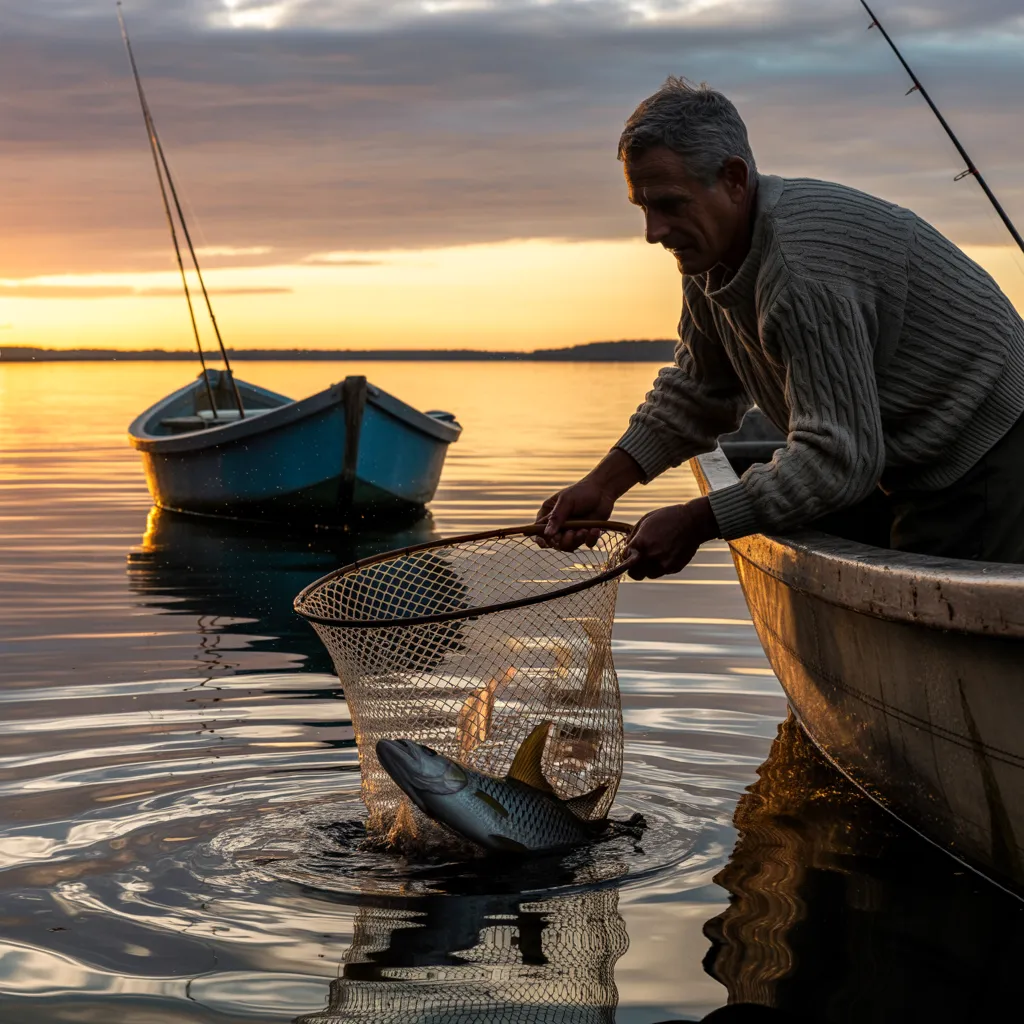
A well-equipped angler understands that the proper accessories can significantly improve the fishing experience. Essential tools such as storage organizers and bait containers maintain gear organized and readily available. A quality landing net is vital for securely catching fish, while a sturdy measuring tape ensures compliance with regulations.
Furthermore, a reliable multi-tool can support with assorted tasks, from severing line to changing hooks. Anglers also take advantage of a fishing chair or portable cooler, delivering comfort and functionality during long outings.
For individuals exploring different settings, a waterproof dry bag helps protect valuable equipment from the natural forces. Finally, a good pair of polarized sunglasses cuts down on glare on the water, improving visibility and helping you spot fish. Together, these additions add to a more pleasant and effective fishing experience, allowing anglers to focus on what truly matters: the excitement of the catch.
Fishing Clothes Are Essential: Comfort and Protection
Fishing apparel is essential for elevating the overall outing on the water. Proper clothing provides vital protection against diverse weather conditions, while also ensuring comfort during long trips. Additionally, thoughtfully designed gear facilitates for enhanced mobility and flexibility, making it easier for anglers to navigate their surroundings.
Weather Protection Features
Guarding oneself against the elements is key for a rewarding fishing experience. Weather conditions can fluctuate considerably, so specialized fishing apparel becomes necessary. Waterproof jackets and breathable materials protect anglers from rain and wind, helping they stay dry and comfortable. UV-protective clothing provides defense against harmful sun exposure, minimizing the risk of skin damage during long hours outdoors. In addition, insulated layers supply warmth in cooler temperatures, avoiding discomfort that might shorten a fishing trip. Hats and gloves further improve protection from sun and cold, permitting extended time on the water. Ultimately, investing in quality fishing apparel not only shields the body but also improves focus and enjoyment, making every fishing expedition a more successful and enjoyable experience.
Relaxation During Lengthy Trips
How does the right apparel transform long fishing trips into enjoyable experiences? Choosing appropriate fishing wear greatly boosts comfort through temperature and moisture regulation. Lightweight and breathable fabrics wick away sweat to avoid discomfort on hot days, while insulation layers offer warmth when conditions are cooler. Additionally, fishing apparel frequently includes features like UV protection, guarding skin from damaging rays, and waterproof materials that keep anglers dry in unpredictable weather.
Ergonomic designs that accommodate prolonged wear improve comfort by reducing fatigue. When anglers feel comfortable in their clothing, they can concentrate on the experience, improving concentration and enjoyment. Ultimately, investing in quality fishing apparel is essential for maximizing the comfort and satisfaction of long fishing excursions.
Advanced Mobility and Suppleness
Comfortable gear not only boosts long fishing trips but also functions as assuring agility and adaptability. Suitable fishing attire, incorporating lightweight, stretchable fabrics, permits anglers to operate with freedom, whether casting lines or hauling in fish. Features like articulated seams and flexible sizing substantially boost convenience, reducing constraints during various activities. Additionally, moisture-wicking materials help regulate body temperature, preventing discomfort from dampness and humidity. The right footwear is equally vital; non-slip, supportive shoes provide stability on slick areas, amplifying broad mobility. Ultimately, investing in pliable and purposeful fishing apparel can substantially boost capabilities, facilitating anglers to focus on their experience rather than their discomfort. Therefore, ideal mobility and flexibility are vital components of effective fishing gear.
Sustaining Your Fishing Gear for Long-lasting Life
Maintaining fishing gear is critical for preserving its durability and performance. Frequent cleaning methods help removing dirt and salt deposits, while correct storage techniques protect gear from wear. Collectively, these strategies foster a more enjoyable and productive fishing experience.
Frequent Cleaning Approaches
Regular maintenance practices play an crucial role in extending the life of fishing gear. After each use, anglers should rinse rods, reels, and tackle with fresh water to remove salt, dirt, and debris. This simple step helps prevent corrosion and deterioration. For reels, disassembling and cleaning the components with a gentle brush guarantees that dirt does not impede functionality. Additionally, inspecting line for frays and replacing it as needed can enhance performance. Rod guides should be checked for damage and cleaned to maintain smooth line movement. Finally, regularly wiping down surfaces with a soft cloth not only keeps gear looking new but also aids in identifying any potential issues early on, safeguarding peak functionality for future fishing trips.
Proper Storage Techniques
Proper organization techniques are important to maintain the long life of fishing equipment. Correct organization avoids damage and decline. Rods should be stored vertically or in rod holders to avoid bending or breaking. Reels must be cleaned and lubricated before being placed in a protective case, shielding them from dust and moisture. Keep tackle boxes in a cool, dry place, organizing lures and hooks to prevent tangling and rust. Additionally, fishing lines should be stored in spools, away from direct sunlight, to prevent weakening. For apparel, breathable storage bags help maintain fabric integrity. By using these storage methods, anglers can effectively prolong their gear's life, assuring numerous successful fishing outings.
When and Why Should You Upgrade Your Tackle?
What is the correct moment to invest in fishing gear? Whenever anglers notice a dip in performance or specific needs develop, they should consider upgrading. For example, when a fisherman often encounters bigger fish, upgrading the rod and reel quality is vital. Additionally, advancing technology, for example, improved line sensitivity or lighter materials, can greatly boost the fishing experience.
A crucial aspect is the occurrence rate of fishing trips. Committed anglers might benefit from investing in superior-quality gear that delivers resilience and dependability over the long term. Shifts in season can also encourage upgrades; for instance, shifting from fresh water to saltwater angling often necessitates alternative tools. In addition, skill development can prompt the requirement for increasingly specialized instruments. Ultimately, improving gear fosters better performance, raises catch rates, and increases overall enjoyment, making it a worthwhile point for enthusiastic fishers.
Regular Questions Asked Frequently
Which Fishing Destinations Are Best for Novices?
Beginner fishermen often find success at local lakes, calm rivers, or ponds. These locations typically offer accessible shorelines and plentiful fish, making them excellent for learning casting techniques and building confidence in their fishing expertise.
In What Ways Do Weather Conditions Determine Fishing Success?
Weather conditions substantially influence fishing success. Overcast days often improve fish activity, while high temperatures can lead to diminished feeding. Wind can aid or impede, affecting bait visibility and fish behavior, ultimately impacting catch rates.
What Authorizations or Permits Do I Need to Fish?
To fish in a legal manner, most people must have a angling permit or permit, which is determined by your location. Rules may require supplementary permits for particular species or certain areas, underlining the critical nature of examining local fishing laws prior to heading out.
Do Fishing Gear Rental Options Exist?
Yes, many angling equipment leasing options are available, encompassing local shops, guided tours, and online providers. These rentals usually offer rods, reels, tackle, and other basics, serving both newcomers and veteran fishermen looking for convenience.
What Steps Should I Take to Safely Release Fish After Catching Them?
To carefully free fish, soak your hands before handling, decrease air exposure, and remove hooks delicately. If profoundly hooked, trim the line. Maintain the fish in water until it goes away, ensuring a successful release.